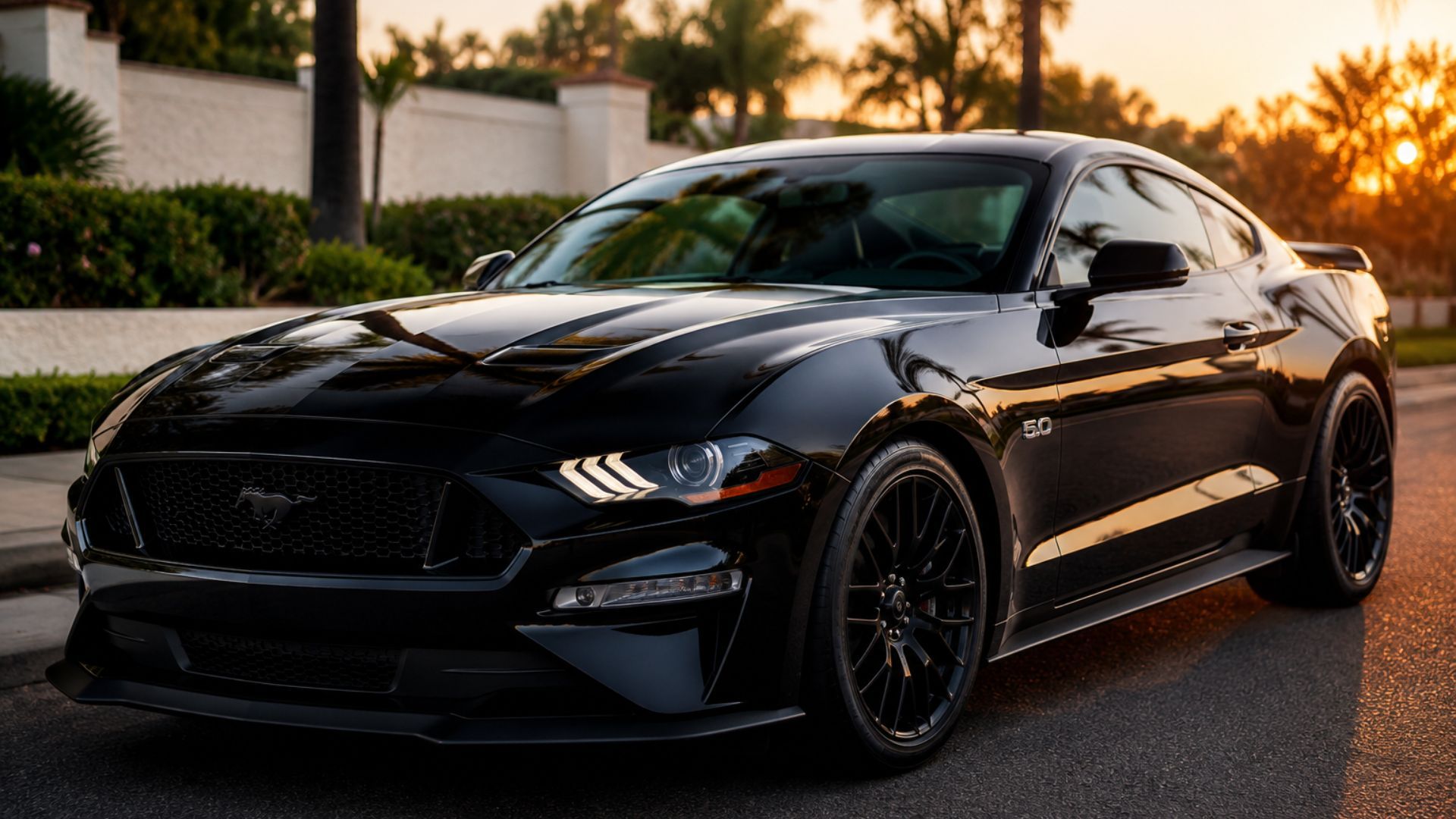
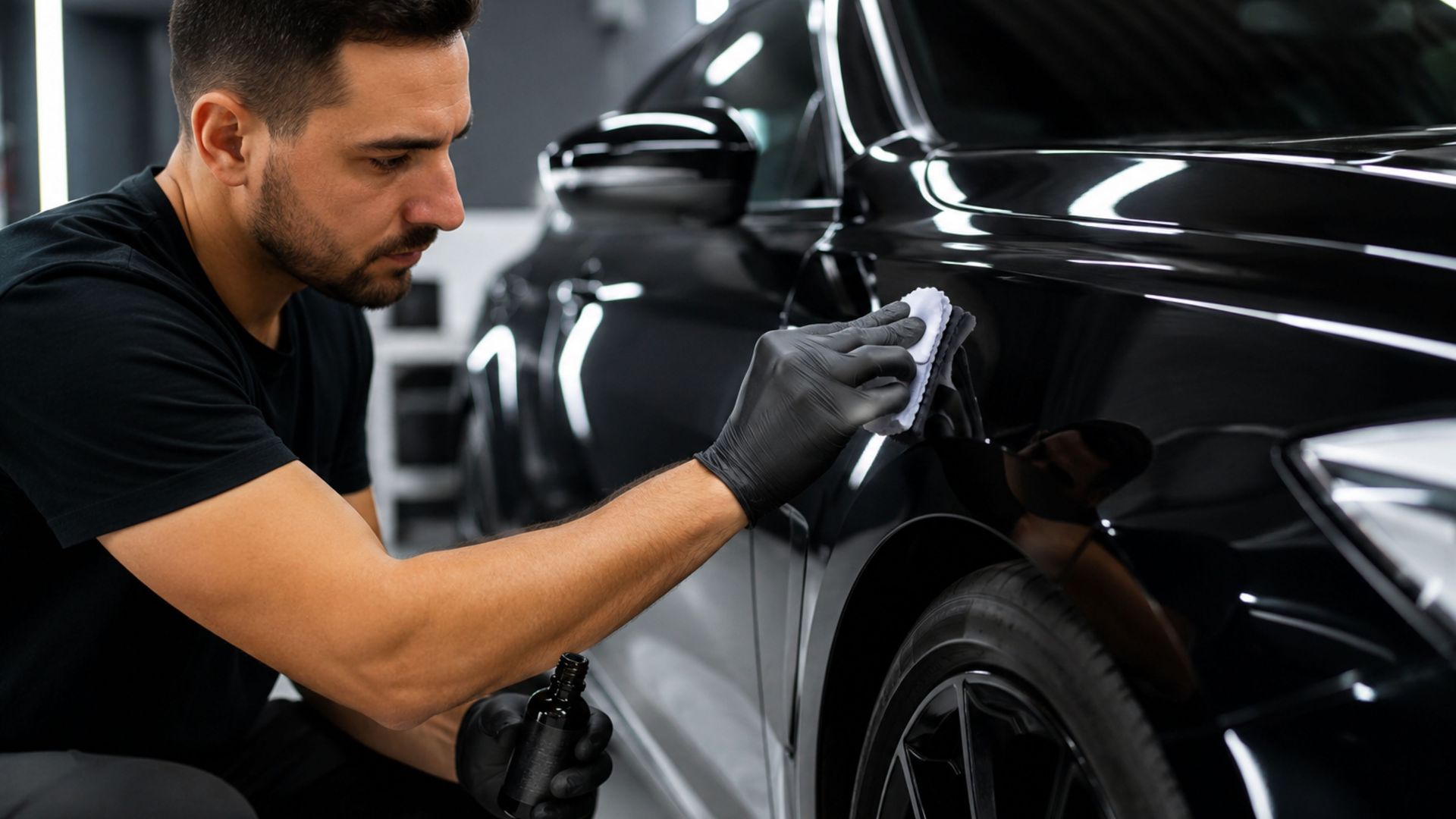
Can ceramic coating be applied to a new car?
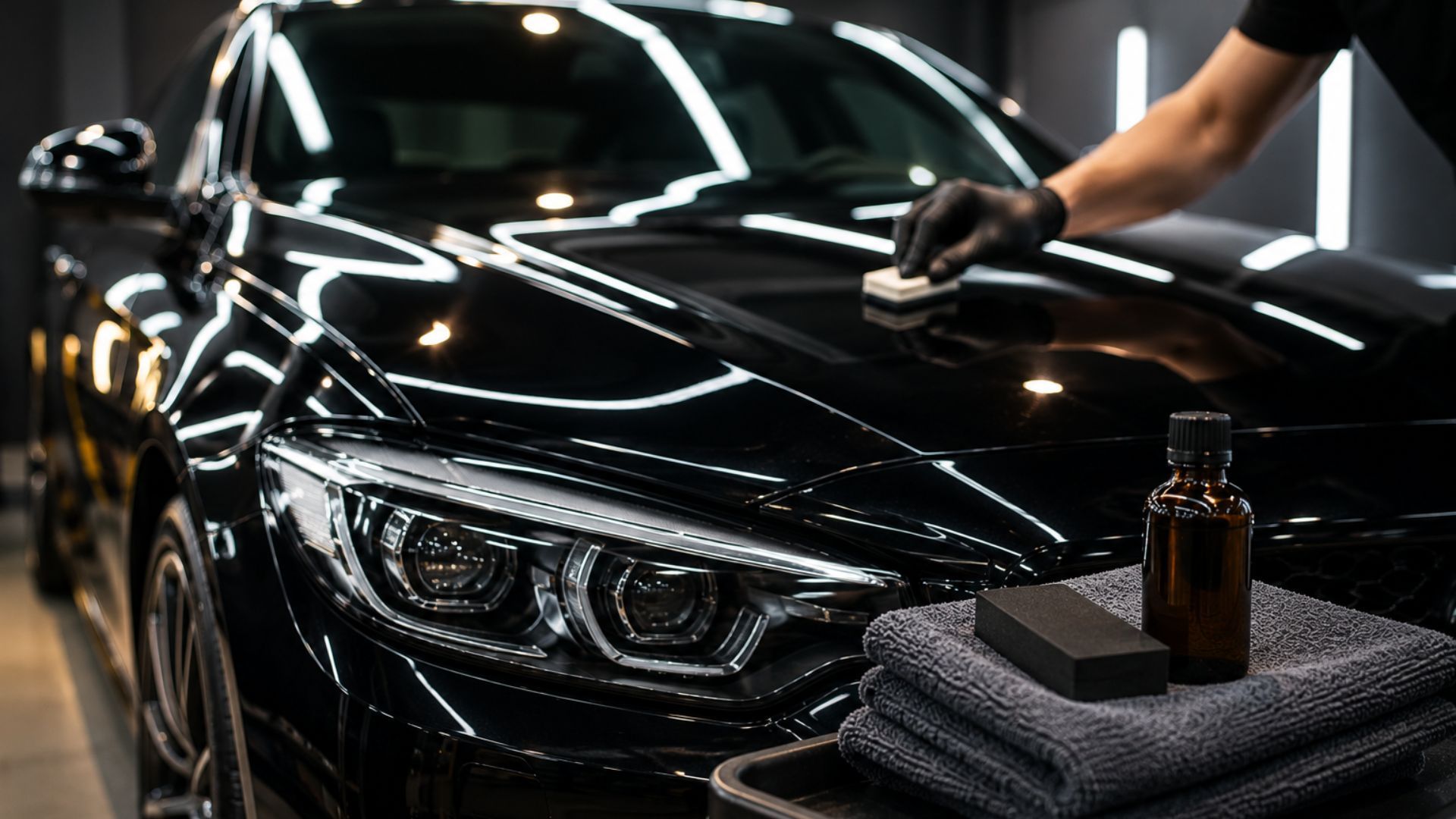
Yes, ceramic coating can be applied to a new car, and in many cases, that is one of the smartest times to do it. A new car coating helps protect fresh paint before daily driving, sun exposure, washing, road grime, and water spots have time to take a toll. The key is proper prep: even a brand-new vehicle should be inspected, cleaned, and corrected as needed before auto ceramic coating is applied.
Should you ceramic coat a new car?
Yes, you should consider ceramic coating for new cars if your goal is long-term car paint protection and easier maintenance from the beginning of ownership. A ceramic coating bonds to the vehicle’s exterior surfaces and creates a durable protective layer that helps resist contamination, makes washing easier, and improves gloss. It does not make your car invincible, but it can reduce how quickly the finish becomes dull, stained, or difficult to clean.
Many new car owners assume the paint is perfect because the vehicle has just left the dealership. In reality, new cars can collect dust, transport film, rail dust, water spotting, light wash marks, adhesive residue, or minor defects before they ever reach your driveway. That is why professional preparation matters just as much as the coating itself.
When done correctly, vehicle ceramic coating gives a new car a cleaner starting point. Instead of waiting until the paint already shows wear, you can protect it while it is still in excellent condition.
What ceramic coating actually does
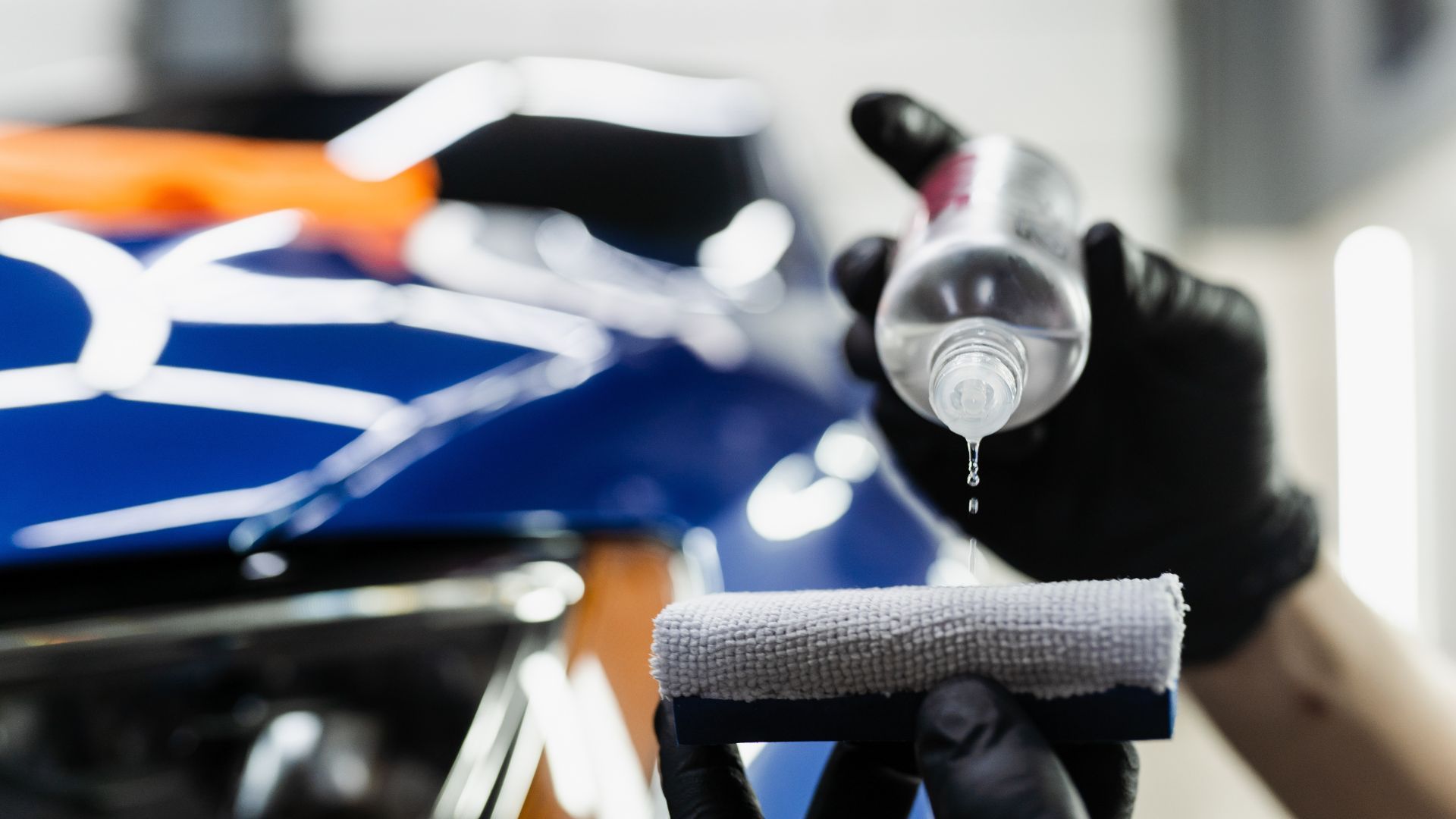
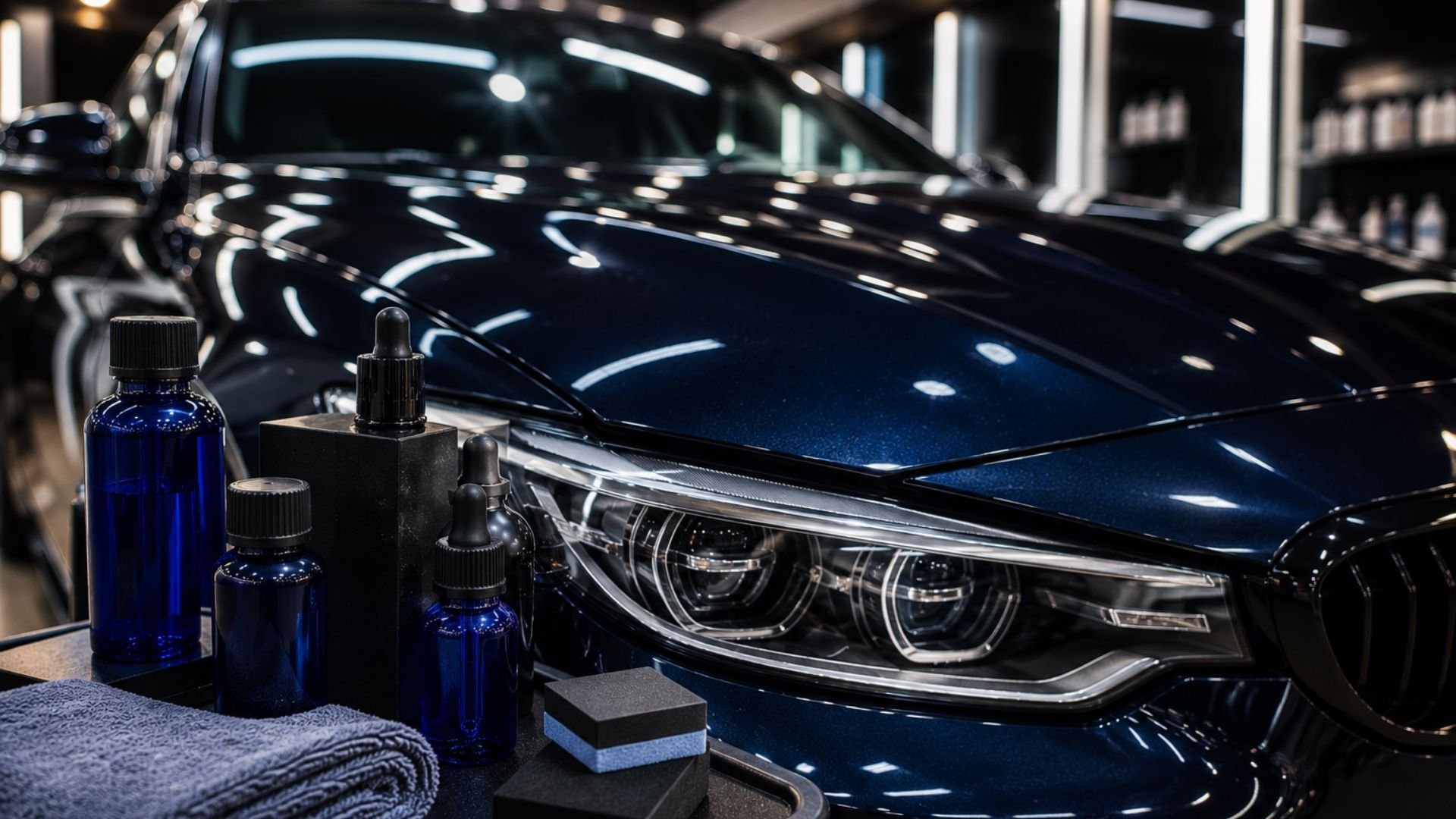
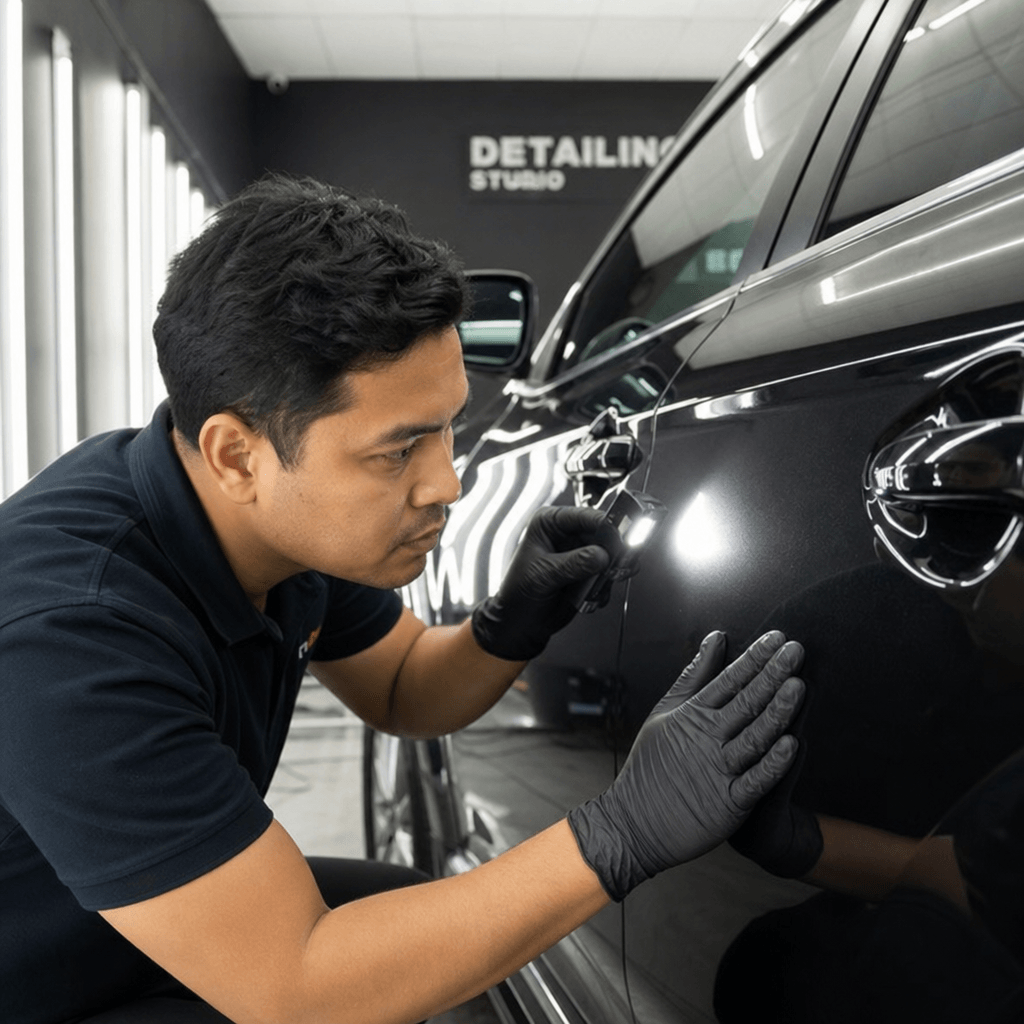
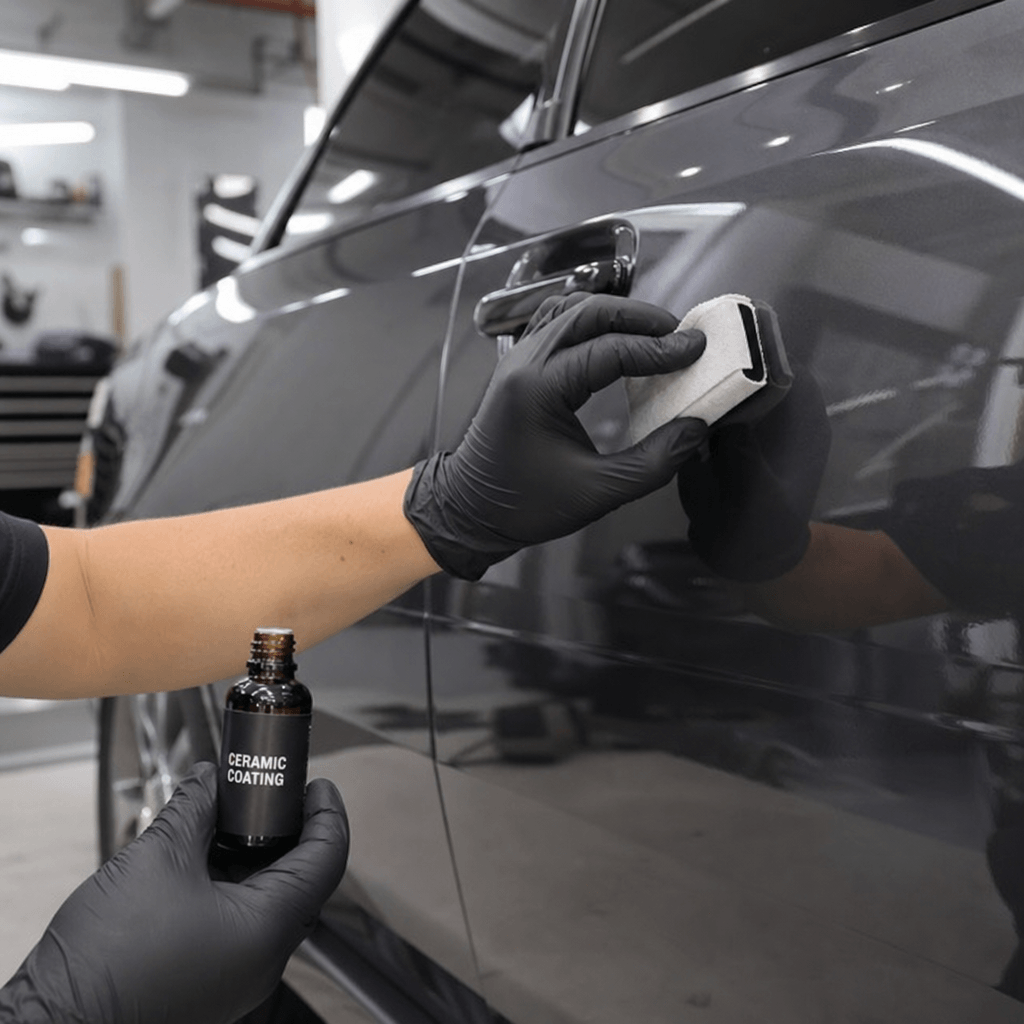
Ceramic coating is a liquid protective product applied to painted surfaces and sometimes to wheels, glass, trim, or other exterior areas, depending on the product and service. Once cured, it forms a bonded layer that helps shield the surface from many everyday contaminants. It is commonly chosen by drivers who want more than a wax or basic sealant but still want the vehicle to look natural, glossy, and clean.
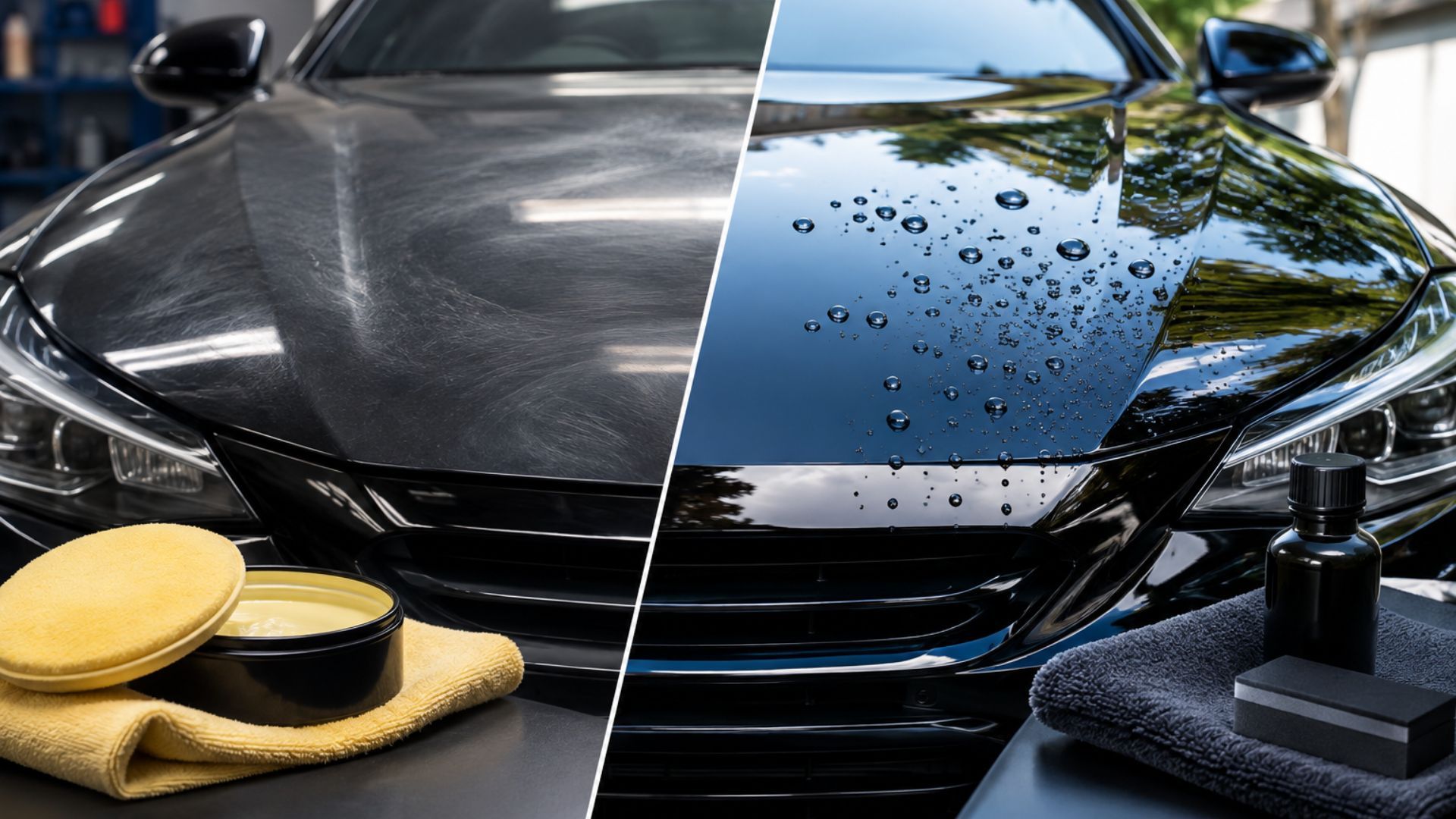
The main ceramic coating benefits come from its surface behavior. Dirt, water, and grime have a harder time clinging to a coated vehicle, which means routine washing can become faster and less frustrating. The coating can also enhance gloss and depth, especially when the paint is properly polished before application.
A ceramic coating is not the same as paint protection film. Film is a physical barrier that can help absorb rock chips and road impacts in high-risk areas. Ceramic coating is better understood as a chemical protection layer that improves resistance to staining, oxidation, light contamination, and wash-related buildup. Some owners choose both: film for impact-prone areas and ceramic coating for gloss, slickness, and easier cleaning.
Ceramic coating for new cars pros and cons
Ceramic coating for new cars pros and cons should be weighed before you book the service, because the best choice depends on how you drive, where you park, and how you maintain your vehicle. For many owners, the benefits outweigh the limitations, especially when the car is new and the paint has not yet been heavily exposed. Still, it is important to understand what ceramic coating can and cannot do.
Pros of ceramic coating a new car
- Early paint protection: Applying ceramic coating early helps protect the paint before contaminants, UV exposure, bird droppings, tree sap, and road film build up.
- Easier washing: A coated surface is typically easier to clean because dirt and grime do not bond as aggressively.
- Enhanced gloss: Proper prep followed by coating can make paint look deeper, sharper, and more reflective.
- Better water behavior: Ceramic coatings often create hydrophobic properties, helping water bead and sheet off the surface.
- Reduced need for waxing: While coated cars still need maintenance, they do not need traditional waxing in the same way uncoated vehicles often do.
- Stronger long-term appearance: Starting with protection early can help preserve the new-car look for longer than relying on occasional washes alone.
Cons and limitations to understand
- Prep is still required: A new car may still need decontamination, polishing, or correction before coating.
- It is not scratch-proof: Ceramic coating may help with minor wash resistance, but it will not prevent scratches from poor washing, automatic brushes, keys, or abrasives.
- It does not stop rock chips: For impact protection, paint protection film is the better option.
- Maintenance still matters: Coated cars still need safe washing, proper drying, and occasional maintenance products.
- Quality varies: The result depends on the coating product, surface prep, installer skill, and curing conditions.
The practical takeaway is simple: ceramic coating is a strong upgrade for a new car, but it should not be treated as a substitute for careful ownership.
Why new cars still need paint preparation
A common misconception is that ceramic coating can be applied directly to a brand-new car as soon as it leaves the dealership. While that might sound efficient, it can trap imperfections under the coating. Because ceramic coatings bond to the surface, whatever is on the paint during application can affect the final look and performance.
New vehicles often travel by truck, train, or ship. During that journey, they may be exposed to industrial fallout, brake dust, salt air, adhesive residue, and environmental contamination. Dealership washing can also add fine swirls or towel marks, especially if the car was cleaned quickly on a busy lot.
Professional prep often includes several steps:
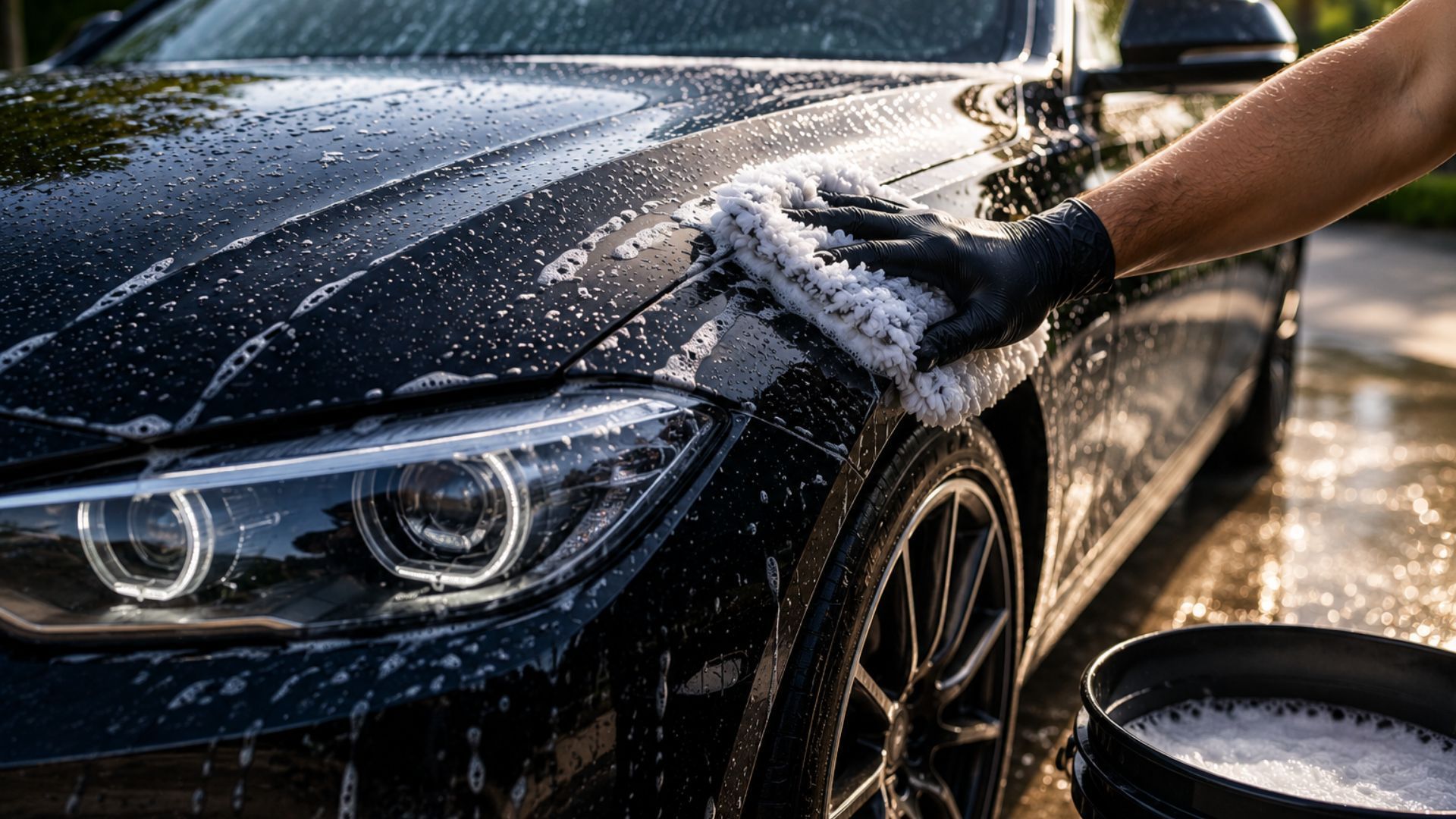
- Detailed wash: Removes loose dirt, dust, and dealership residue.
- Chemical decontamination: Helps dissolve iron particles or bonded contaminants.
- Clay treatment when needed: Removes stubborn surface debris that washing leaves behind.
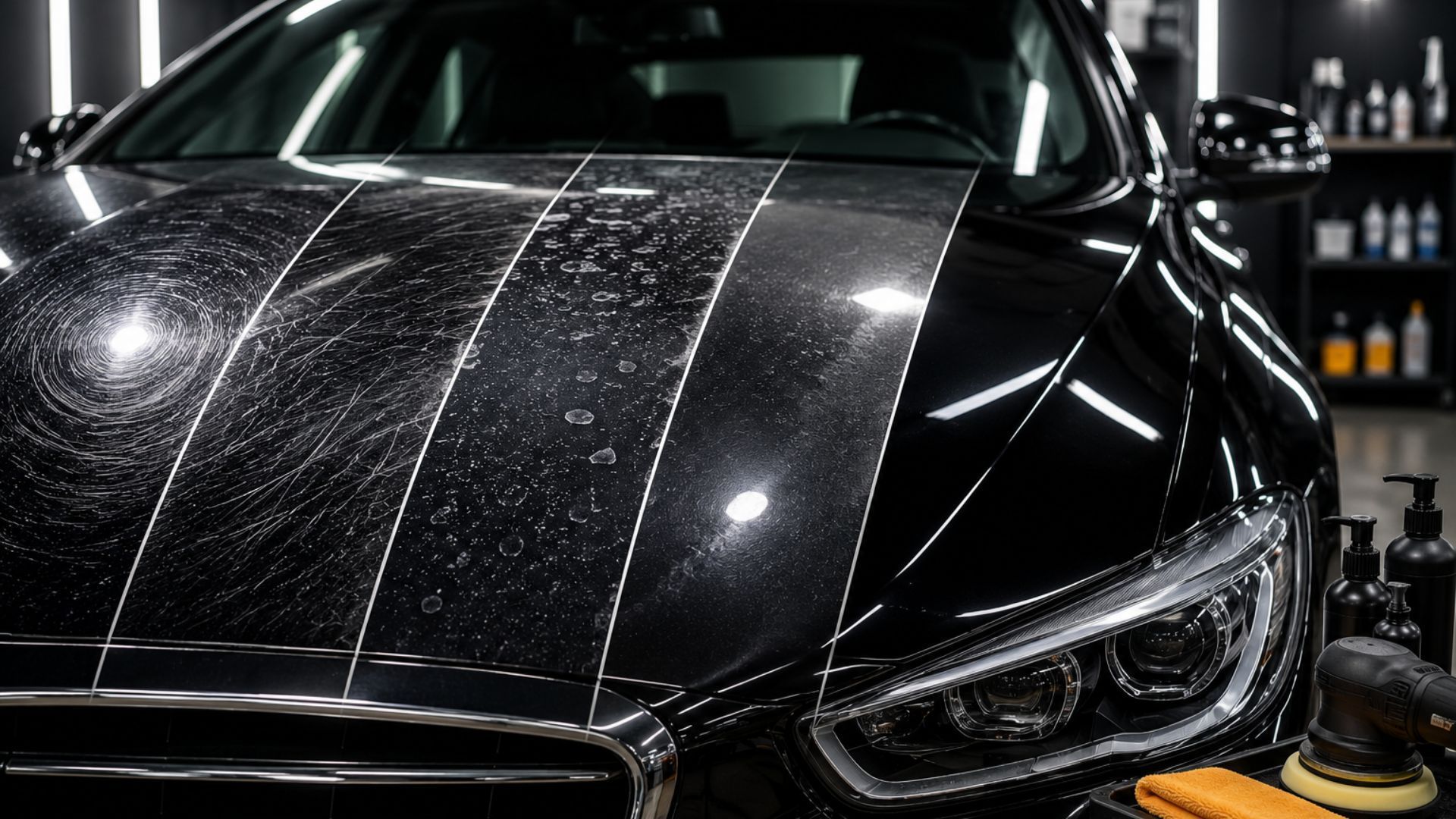
- Paint inspection: Identifies swirls, haze, water spots, or sanding marks.
- Polishing or correction: Refines the paint so the coating locks in a better finish.
- Panel wipe: Removes polishing oils or residue before coating application.
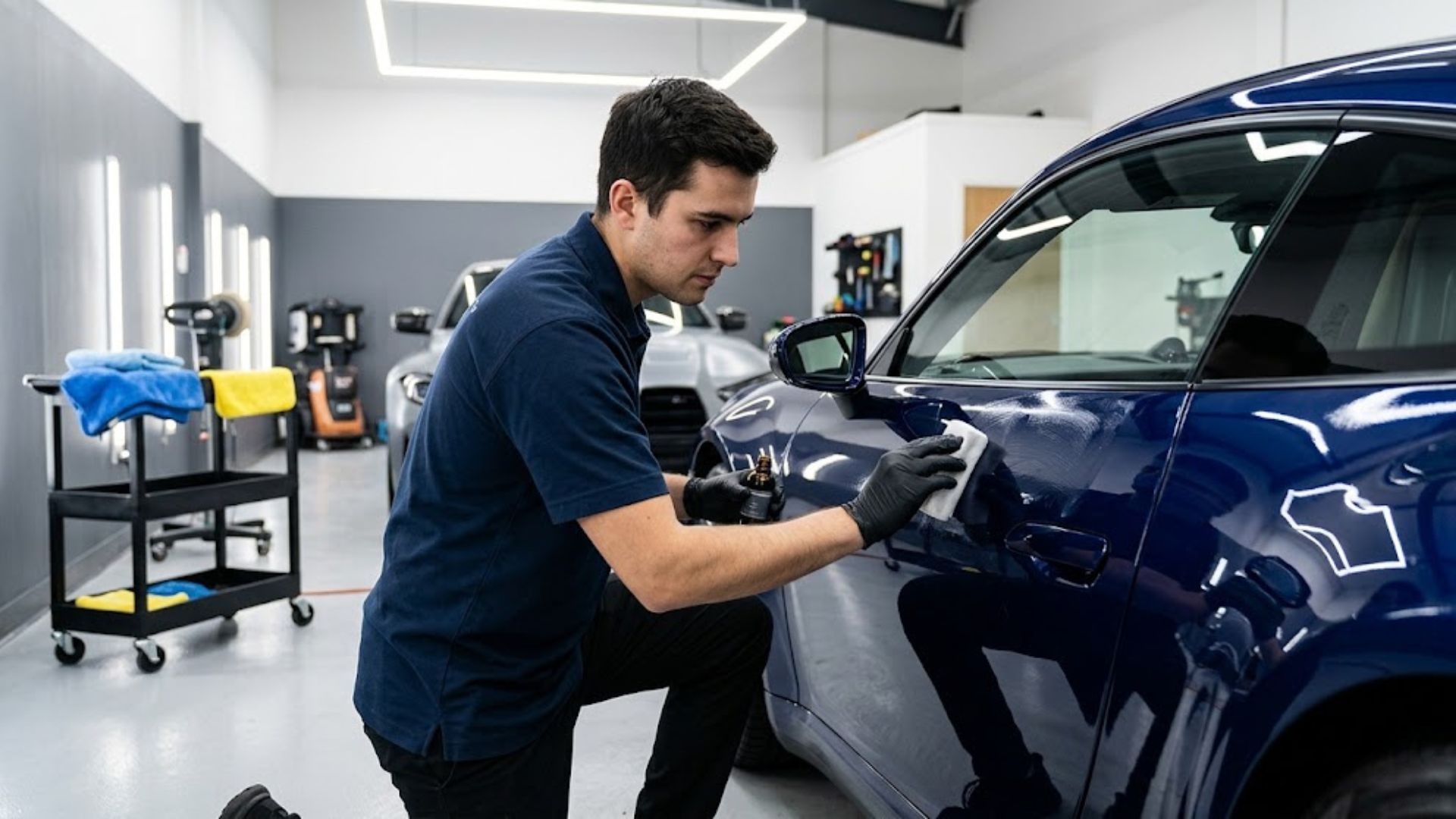
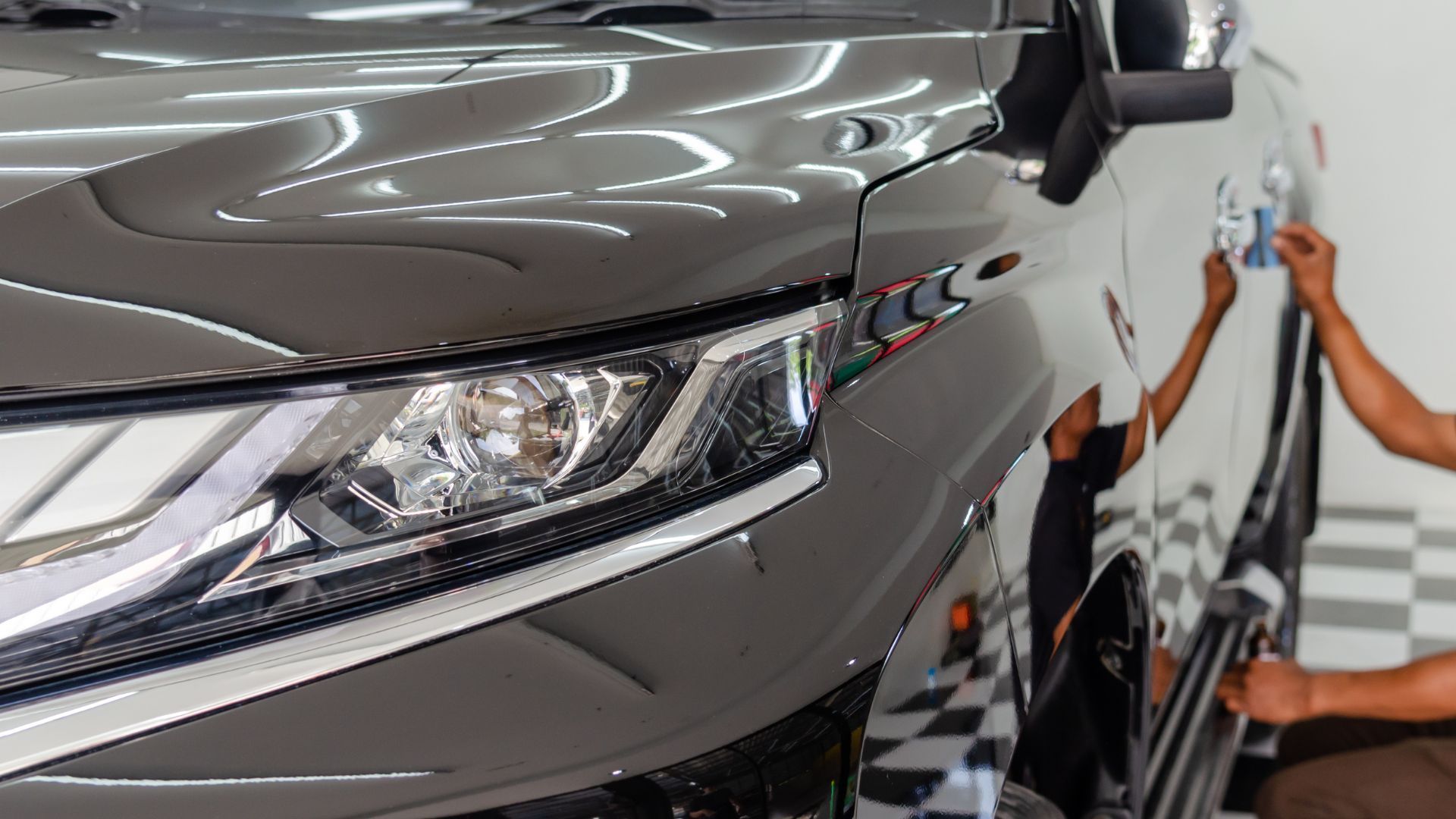
- Controlled coating application: Ensures even coverage, leveling, and curing.
This prep work is one reason professional auto ceramic coating often looks noticeably better than a quick DIY application. The coating is important, but the condition of the paint underneath is what creates the finished appearance.
How do you choose the best ceramic coating for new cars?
The best ceramic coating for new cars is the one that fits your expectations, maintenance habits, parking conditions, and budget—not simply the one with the boldest marketing claim. A daily driver parked outdoors may need a different protection plan than a garage-kept weekend car. The right installer should explain the options clearly and recommend a coating based on how the vehicle will actually be used.
Look for a coating and service package that matches these priorities:
- Paint condition: If the car has visible defects, correction should be part of the plan before coating.
- Desired durability: Some coatings are designed for shorter-term protection, while others are made for longer-lasting performance with proper care.
- Surface coverage: Ask whether the service includes paint only or also wheels, glass, trim, or other areas.
- Maintenance expectations: A good installer should explain how to wash the car and what products to avoid.
- Curing process: Proper curing time and environmental control can affect the final result.
- Aftercare support: Clear care instructions help you protect your investment after the appointment.
Avoid choosing based only on phrases like “permanent,” “scratch-proof,” or “no maintenance.” Those claims can create unrealistic expectations. A trustworthy recommendation will be specific, practical, and honest about both the strengths and limits of ceramic coating.
Professional application versus DIY ceramic coating
DIY ceramic coating products can be tempting, especially for new car owners who want fast protection. Some consumer products are easier to apply than professional coatings, but they may also offer different durability, gloss, chemical resistance, or installation requirements. The biggest risk is not always the product itself; it is the prep and application process.
A professional installer can inspect the paint under proper lighting, remove contamination, correct defects, and apply the coating evenly. This matters because high spots, streaks, missed areas, or coating over residue can affect the final finish. Professional application also gives you the benefit of experience, especially if your vehicle has soft paint, complex body lines, gloss black trim, or previous dealership-applied products.
DIY may make sense for an owner who enjoys detailing, understands paint prep, and accepts the learning curve. Professional vehicle ceramic coating is usually the better choice when you want a cleaner finish, fewer risks, and a more complete protection plan from the start.
Maintenance after a new car coating
A ceramic coated car is easier to maintain, but it is not maintenance-free. The coating performs best when the vehicle is washed safely and regularly. Neglect can allow minerals, dirt, and road film to sit on the surface, reducing slickness and making the coating appear weaker than it is.
Use a pH-balanced car wash soap, quality wash mitts, and soft drying towels. Avoid dirty brushes, harsh degreasers, abrasive compounds, and automatic washes with aggressive contact brushes. If your car is exposed to sprinklers, coastal air, tree sap, or bird droppings, clean those contaminants quickly rather than letting them bake into the surface.
A simple maintenance checklist helps protect the finish:
- Wash regularly using safe contact methods.
- Rinse thoroughly before touching the paint.
- Dry with clean microfiber towels or filtered air.
- Remove bird droppings, bug splatter, and sap as soon as practical.
- Avoid polishing unless advised by a detailer, since abrasion can reduce coating life.
- Schedule maintenance inspections if your installer recommends them.
Good aftercare helps you get the most value from ceramic coating benefits and keeps the car looking closer to new with less effort.
Why choose Ceramic Coating Pros of San Diego
Ceramic Coating Pros of San Diego is a strong choice for drivers who want professional help protecting a new vehicle in the San Diego area. Choosing a local specialist matters because the installer can evaluate the car in person, recommend the right prep process, and explain how coastal air, sun exposure, parking conditions, and daily driving habits may affect the protection plan.
The main reason to choose Ceramic Coating Pros of San Diego is guidance. Instead of guessing which ceramic coating is right for your vehicle, you can discuss your goals: maximum gloss, easier washing, new car paint protection, wheel protection, or a package that fits how you actually use the car. A professional team can also identify whether your new vehicle needs light polishing, decontamination, or additional prep before coating.
For new car owners, that clarity is valuable. You do not have to decide between products based on vague claims or online descriptions. You can get a practical recommendation, understand what the service includes, and leave with aftercare instructions that help preserve the result.
Frequently Asked Questions
Can ceramic coating be applied immediately after buying a new car?
Yes, but the vehicle should still be inspected and prepared first. Even new paint can have contamination, light swirls, adhesive residue, or water spots that should be addressed before coating.
Is ceramic coating worth it for a new car?
It can be worth it if you want easier washing, stronger gloss, and added protection from everyday contamination. It is especially useful when applied early, before the vehicle has accumulated months or years of wear.
Will ceramic coating protect against scratches?
Ceramic coating is not scratch-proof. It can add slickness and may reduce some wash-related marring when paired with safe washing, but it will not stop scratches from sharp objects, dirty towels, or harsh brushes.
Does a coated car still need washing?
Yes. Ceramic coating makes cleaning easier, but dirt, minerals, bugs, and road film still need to be removed. Regular maintenance helps the coating perform and look its best.
Can ceramic coating replace paint protection film?
No. Ceramic coating and paint protection film solve different problems. Ceramic coating helps with gloss and chemical resistance, while film is better for physical impact areas such as the front bumper, hood, and mirrors.
What is the best time to apply ceramic coating to a new car?
The best time is soon after purchase, once the paint has been properly inspected and prepared. Early application helps protect the vehicle before daily exposure begins to degrade the finish.
Final thoughts
Ceramic coating can absolutely be applied to a new car, and it is often one of the best times to do it. The most important factor is not just choosing a coating, but making sure the paint is properly cleaned, inspected, and prepared before application. When installed and maintained correctly, ceramic coating for new cars can support long-lasting gloss, easier cleaning, and stronger everyday car paint protection.
If you want your new vehicle protected from the start, contact Ceramic Coating Pros of San Diego today to schedule a ceramic coating consultation and choose the right protection plan for your car.