Signs Your Car Needs Paint Correction
Your vehicle's paint does more than make it look good—it protects the body from the elements while preserving its value. Over time, however, daily driving, improper washing, UV exposure, road debris, and environmental contaminants can leave your paint looking dull, scratched, or faded.
Many vehicle owners assume these imperfections are permanent, but that's not always the case. Professional paint correction can restore your vehicle's finish by removing many surface defects and bringing back its original depth and gloss.
If you're wondering whether your car needs paint correction, this guide will help you identify the warning signs and explain when professional treatment is worth the investment.
What Is Paint Correction?
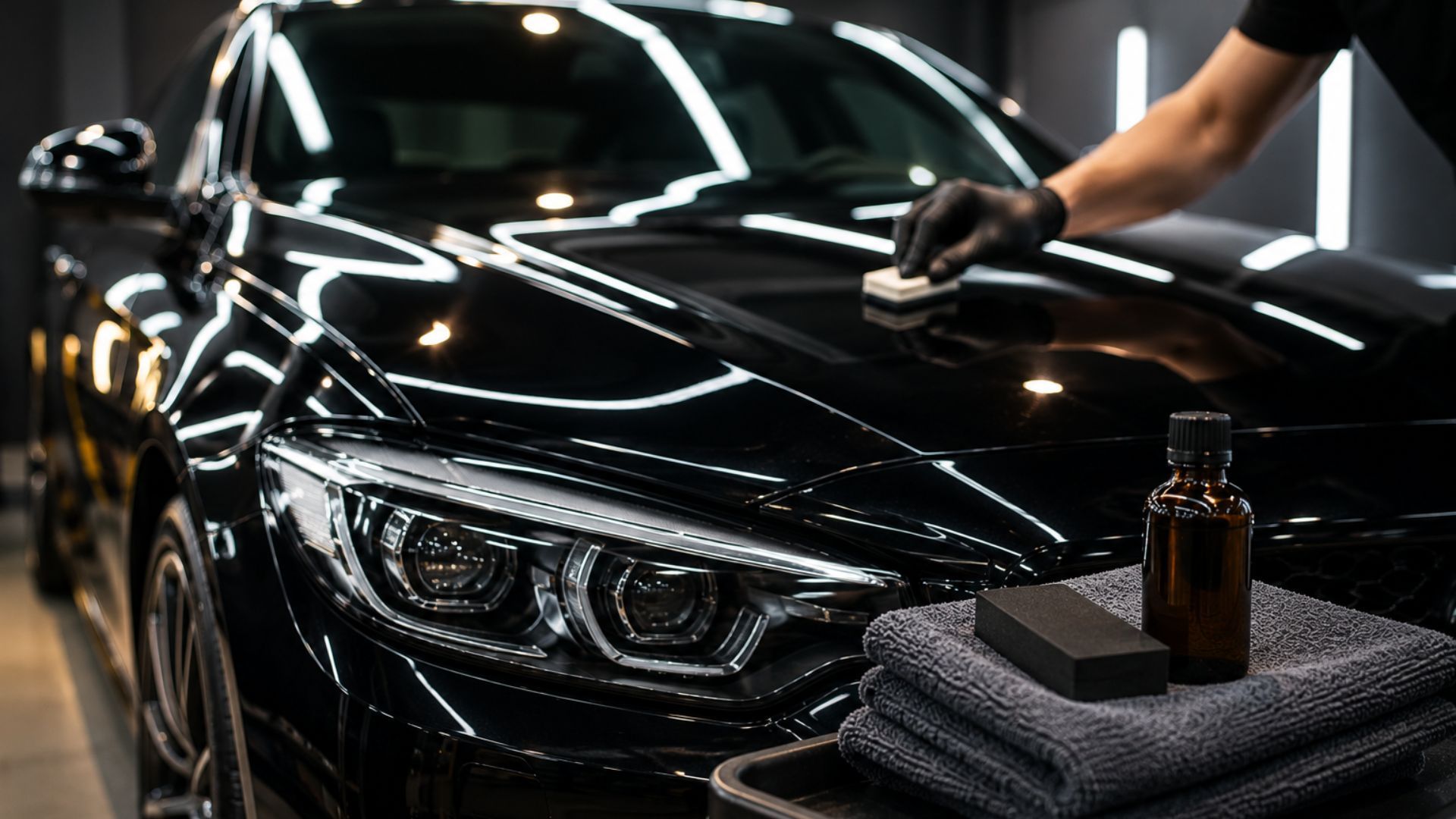
Paint correction is a professional detailing process that removes imperfections from your vehicle's clear coat through machine polishing and specialized compounds.
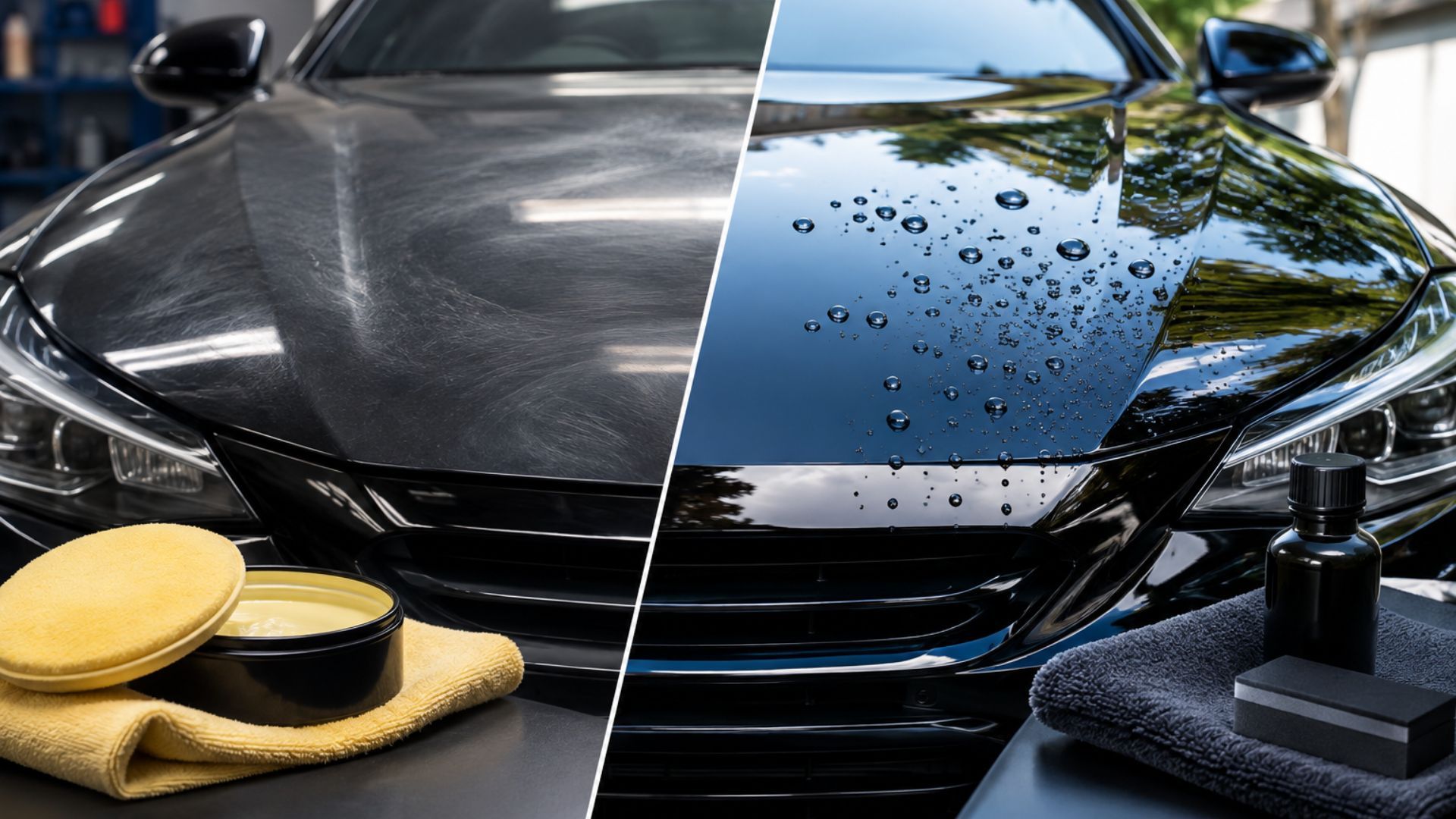
Unlike waxing or ceramic coating, paint correction actually eliminates many surface defects rather than simply covering them up.
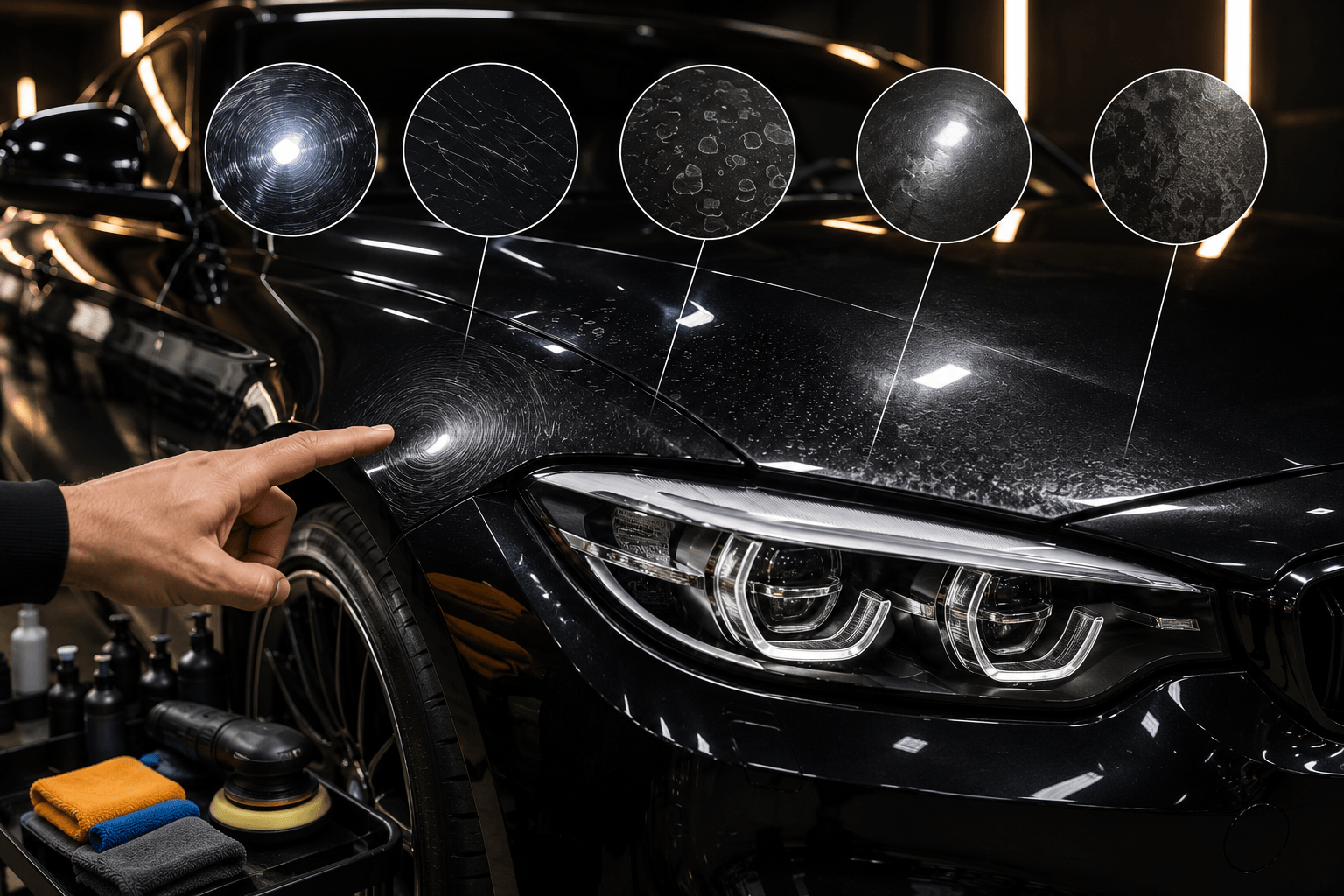
Common defects that paint correction addresses include:
- Swirl marks
- Light scratches
- Oxidation
- Water spots
- Holograms
- Paint haze
- Minor etching
Once completed, the paint appears smoother, glossier, and significantly more reflective.
7 Signs Your Car Needs Paint Correction
1. Your Paint Looks Dull Instead of Glossy
One of the easiest signs to recognize is a noticeable loss of shine.
Healthy automotive paint reflects light evenly and has a deep, mirror-like appearance.
If your vehicle now looks flat or cloudy, oxidation or microscopic scratches may be preventing light from reflecting properly.
Professional paint correction removes these imperfections and restores clarity.
2. You Notice Swirl Marks in Direct Sunlight
What causes swirl marks on car paint?
Swirl marks are among the most common reasons people seek paint correction.
They often result from:
- Automatic car washes
- Dirty wash mitts
- Improper drying techniques
- Poor polishing methods
These fine circular scratches become highly visible under sunlight or bright LED lighting.
Fortunately, paint correction is specifically designed to eliminate most swirl marks safely.
3. Light Scratches Cover the Surface
Can paint correction remove scratches?
Yes—but only if they haven't penetrated beyond the clear coat.
Paint correction is highly effective for:
- Wash-induced scratches
- Fingernail scratches near door handles
- Light surface abrasions
- Minor paint defects
Deeper scratches that extend into the paint or primer may require touch-up paint or refinishing instead.
4. Water Spots Won't Come Off
Hard water deposits contain minerals that can bond to your paint.
If left untreated, they can etch into the clear coat.
When regular washing no longer removes these marks, paint correction may be necessary to safely restore the finish.
5. Your Car Has Oxidation or Fading
Oxidation occurs when prolonged UV exposure breaks down the clear coat.
Common symptoms include:
- Chalky appearance
- Faded paint
- Loss of color depth
- Rough surface texture
Professional polishing removes oxidation and dramatically improves the appearance of neglected paint.
6. The Paint Feels Rough
After washing your vehicle, gently run your hand across the paint.
If it feels rough rather than smooth, contaminants may be embedded in the clear coat.
These include:
- Industrial fallout
- Brake dust
- Tree sap
- Road tar
- Environmental pollution
Paint correction combined with proper decontamination restores a silky-smooth finish.
7. Your Vehicle No Longer Looks "New"
Even newer vehicles can accumulate paint defects surprisingly quickly.
Dealership washing, transportation, and improper maintenance often introduce imperfections before you even purchase the car.
If your vehicle has lost its "new car" appearance, paint correction can restore the depth, clarity, and gloss that made you fall in love with it in the first place.
What Causes Paint Damage?
Several everyday factors contribute to paint deterioration.
Environmental Causes
- UV rays
- Salt air
- Acid rain
- Bird droppings
- Tree sap
Improper Washing
- Dirty towels
- Automatic brush washes
- Household soaps
- Dry wiping dust
Road Hazards
- Sand
- Gravel
- Brake dust
- Road debris
Recognizing these causes helps prevent future damage after paint correction.
Is Paint Correction Worth It?
Is paint correction worth it before ceramic coating?
Absolutely.
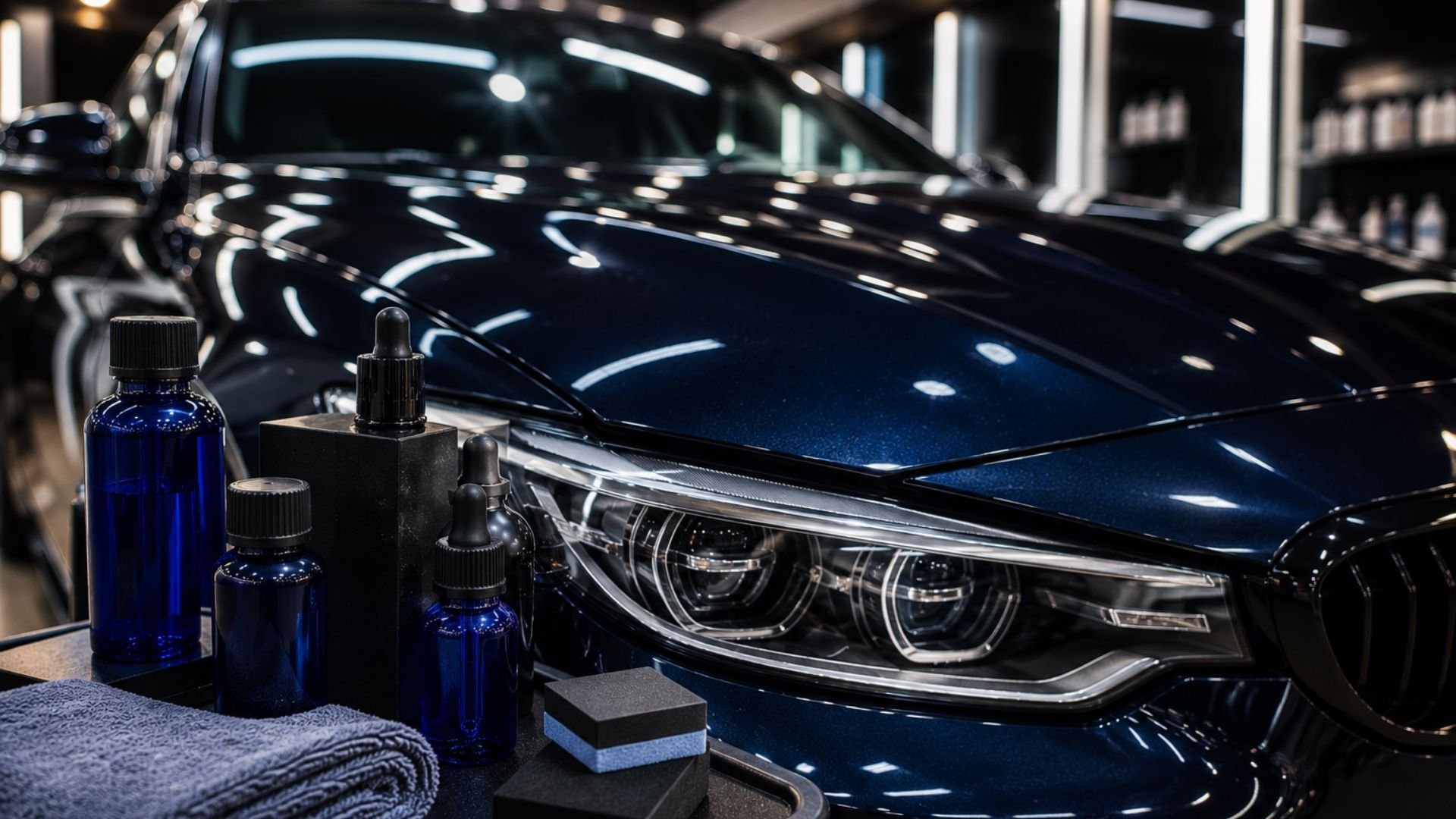
Applying ceramic coating over damaged paint locks those imperfections beneath the coating.
That's why most professional ceramic coating installations begin with paint correction.
Benefits include:
- Better coating adhesion
- Higher gloss
- Improved clarity
- Longer-lasting results
- Showroom-quality finish
Paint correction creates the ideal foundation for ceramic protection.
How Often Should Paint Correction Be Done?
How long does paint correction last?
There's no fixed schedule.
It depends on:
- Driving habits
- Washing techniques
- Environmental exposure
- Maintenance routine
For vehicles properly maintained with ceramic coating, paint correction may only be needed every few years.
Without protection, imperfections can return much sooner.
How to Prevent Future Paint Damage
After paint correction, maintaining your finish becomes much easier.
Follow these best practices:
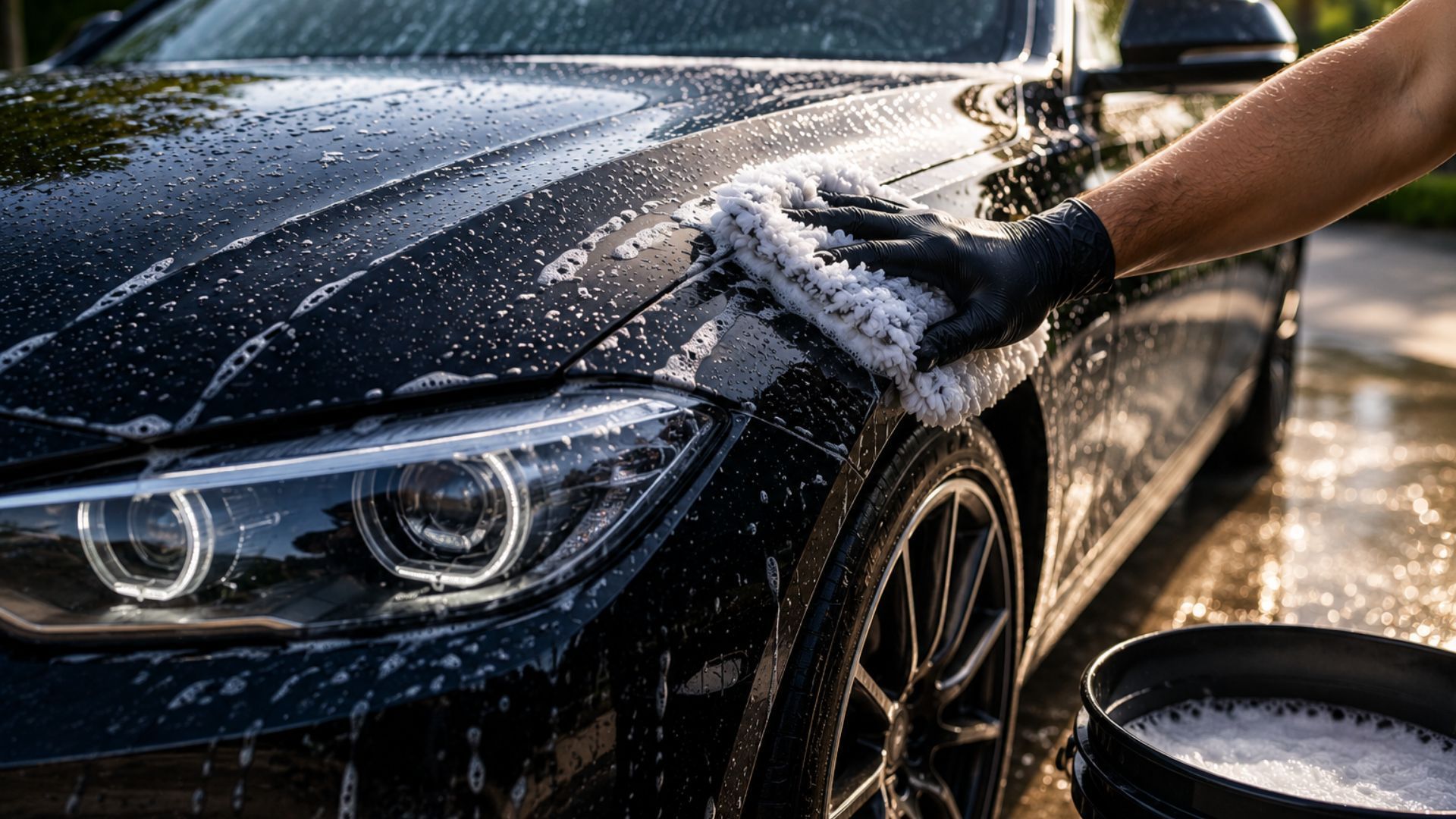
- Wash using the two-bucket method
- Use pH-neutral automotive shampoo
- Dry with microfiber towels
- Avoid automatic brush washes
- Remove bird droppings quickly
- Apply professional ceramic coating
- Schedule routine detailing
Good maintenance helps preserve the corrected finish for years.
Frequently Asked Questions
What is paint correction on a car?
Paint correction is the process of removing surface imperfections such as swirl marks, oxidation, and light scratches through machine polishing.
Can paint correction remove scratches?
Yes. Paint correction removes many light scratches that exist within the clear coat. Deep scratches may require repainting or touch-up work.
Does paint correction remove swirl marks?
Yes. Professional paint correction is one of the most effective ways to eliminate swirl marks and restore gloss.
How much does paint correction cost?
Pricing varies depending on vehicle size, paint condition, and the level of correction required. A professional inspection provides the most accurate estimate.
Should I get paint correction before ceramic coating?
Yes. Paint correction ensures the paint is free from defects before ceramic coating is applied, allowing the coating to bond properly and deliver the best possible finish.
Why Professional Paint Correction Makes a Difference
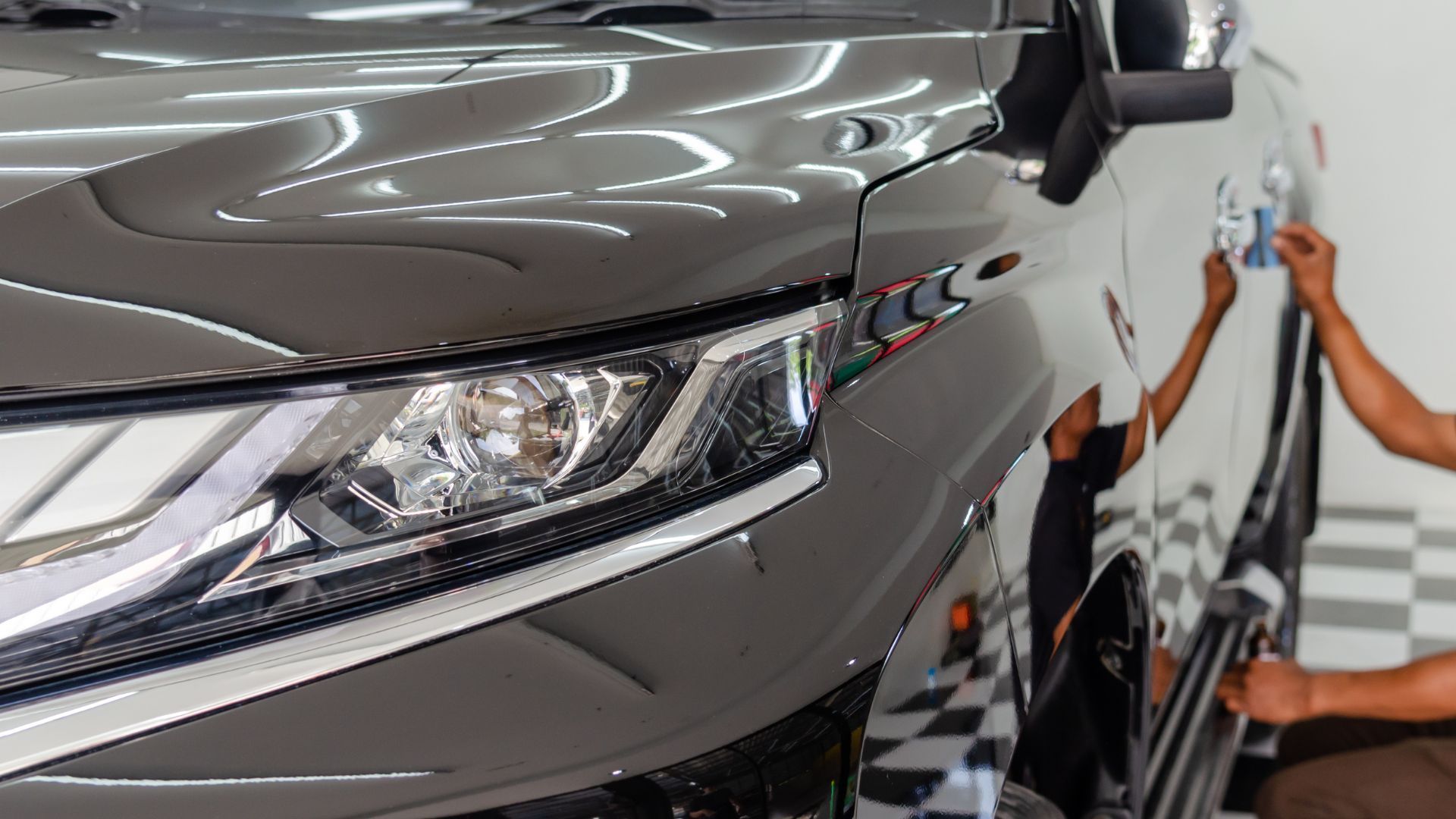
While DIY polishing products are widely available, professional paint correction requires experience, specialized equipment, and precise techniques.
Professional detailers understand:
- Paint thickness
- Clear coat safety
- Proper polishing methods
- Product selection
- Paint inspection
This minimizes risk while achieving significantly better results than most DIY attempts.
Restore Your Vehicle's Finish Before Damage Gets Worse
Small paint imperfections rarely improve on their own. Over time, swirl marks, oxidation, and scratches become more noticeable and may require more extensive correction.
If you've noticed dull paint, visible swirl marks, or fading, now is the ideal time to restore your vehicle's appearance.
At Ceramic Coat SD, our professional paint correction services remove imperfections safely while creating the perfect foundation for long-lasting ceramic coating protection. Whether your goal is to restore a daily driver or preserve a high-end vehicle, our experienced team can help bring back a deep, mirror-like finish.
Schedule a consultation with Ceramic Coat SD today and discover how professional paint correction can transform your vehicle's appearance while protecting your investment for years to come.